Hotels are moving into residential projects.
Egypt has the largest hotel development pipeline in Africa: 185 hotels and 45,984 rooms in 2026, according to W Hospitality Group, with more than half of those rooms already under construction. The country received nearly 20 million international arrivals in 2025 and is aiming for 30 million tourists a year by 2030.
Residential developers are following the hotels. In August 2026 IHG signed the world’s first Hotel Indigo branded residences at Mountain View Ras El Hekma. NAIA Developments is launching Swissôtel Residences at NAIA Bay. On the Red Sea, El Gouna pre-launched La Maison Bleue Residences beside its boutique hotel, and in Sahl Hasheesh, Sea View Development appointed Absolute Hotel Services to operate the 251 units of U Residences & Hotel.
For a developer, a hotel or a professional service model can change the whole proposition: daily services, a lifestyle offer, rental management and the reassurance that the community will be looked after. It is often the costliest part of the project. The question is whether buyers can see it.
Why the hotel so often goes unseen.
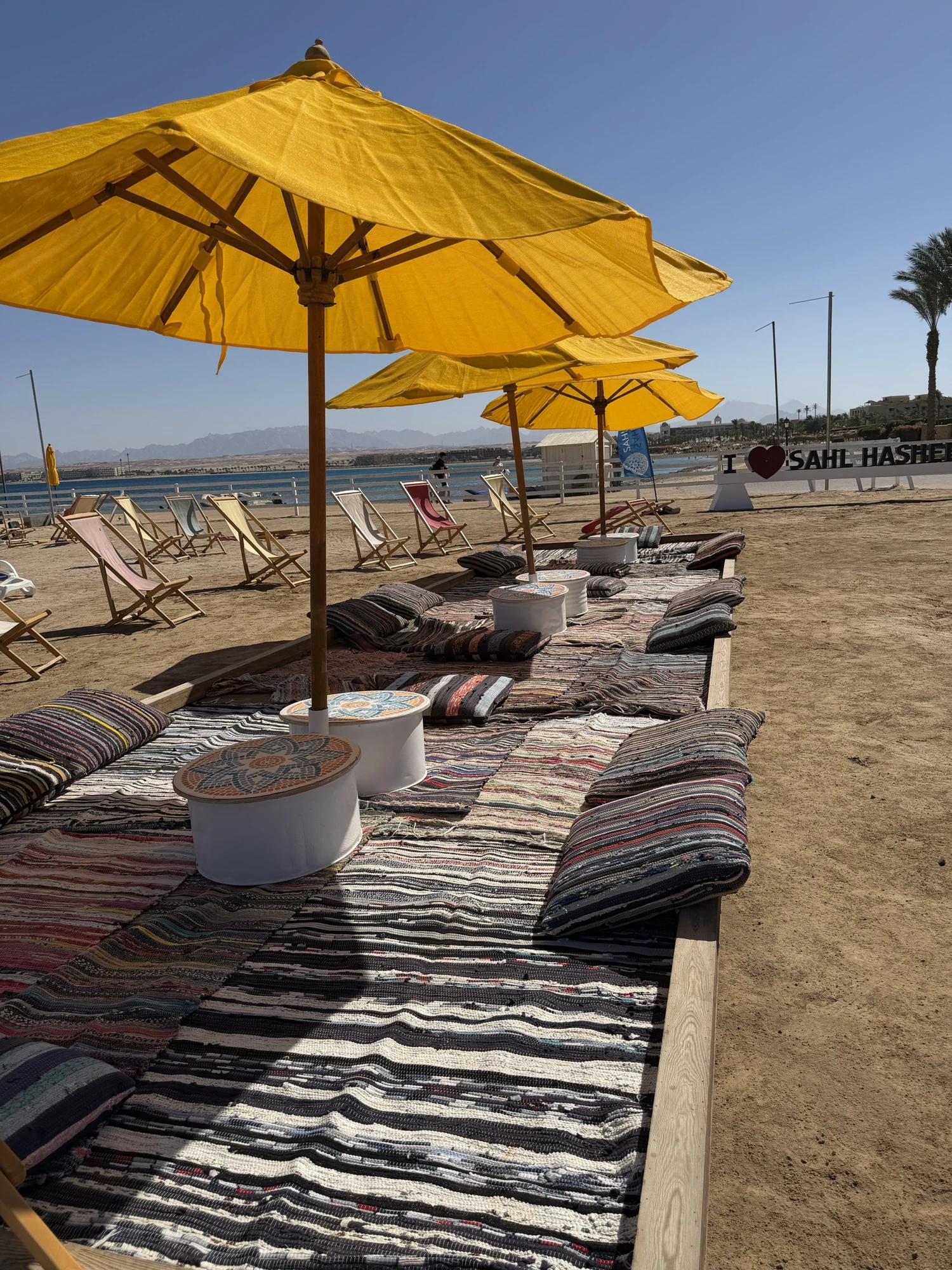
In WAA’s audit of a residential project in Sahl Hasheesh, the hotel was known to exist but was not explained. Listings mentioned it, but said nothing about its identity, its positioning or its role for residents. The serviced model was described with different words in different places, so buyers read it as an extra rather than as the reason the project exists.
The cause is usually timing. Residences are sold years before the hotel opens, often before an operator is signed, so sales teams talk about what they can show: units, prices and payment plans. The hotel waits for its own launch, and the residential story is told without it.
Three questions that make the hotel sell.
A hotel component becomes persuasive when three questions have clear, consistent answers.
- What does the hotel do for an owner? Name the benefits precisely: which services, how often, at what cost, and how rental management, upkeep and resale are handled. Vague promises of “hotel-level living” are what buyers have learned to discount.
- Who stands behind it? State the operator, brand or management company, and separate what is contractually committed from what is intended. Buyers will check, and so will the AI assistants that summarise your project.
- What does an ordinary day feel like? Describe arrival, breakfast, the pool at noon and the evening. The hotel’s identity should shape the residences, from the lobby experience to the tone of the brochure, rather than sit beside them.
Turning the hotel into the proposition.
Write the proposition so the hotel or service model appears in its first line, not its last. Order the message stack so that every channel explains the model before the unit types, and give brokers an approved opening line that does the same.
Before launch, build the hospitality blueprint: the guest and resident profile, the service standards, the experience across a day and a season, and the operating logic. It gives the sales team something true and specific to say before the hotel opens, and it gives the eventual operator a clear starting point.
Choose the claim you can keep.
Choose your terms and keep them. Branded residences, serviced residences and hotel apartments mean different things to buyers, operators and regulators. Use the term that matches your agreements, define it once on your own website and repeat it exactly.
Finally, be honest about status. If the operator is not yet signed, describe the hospitality concept and service standards you control, and label visualisations as concepts. Credibility built early is worth more than an impressive name that cannot yet be confirmed.
TAKE IT INTO YOUR NEXT CONVERSATION
Six questions before your next sales launch.
Can we state in one sentence what the hotel or service model does for an owner?
Does the hotel appear in the first line of our proposition?
Are the operator, brand and service commitments stated accurately and consistently?
Do we use one defined term, branded, serviced or hotel apartments, everywhere?
Have we written the hospitality blueprint before selling the residences?
Are concept visuals clearly labelled until the hotel exists?
QUESTIONS ANSWERED
What people ask us.
What is the difference between branded and serviced residences?
Branded residences are homes associated with a hotel or lifestyle brand under a licence or management agreement, usually with services delivered to that brand’s standards. Serviced residences offer professional services, such as housekeeping, maintenance and concierge, from an operator or management company without necessarily carrying a hotel brand. The right term depends on the agreements in place.
Why do developers add a hotel to a residential project?
A hotel can provide services, lifestyle and activity for residents, support rental demand and give the project a stronger identity. It only pays off in sales if buyers understand what it does for them, which is why it needs to lead the proposition.
How should a developer market the hotel before an operator is signed?
Describe the hospitality concept, the service standards and the experience you control, label visualisations as concepts and avoid naming brands or operators until agreements are signed.
SOURCES
- Africa’s hotel development pipeline hits record high, led by East Africa · TradeArabia, 2026
- Egypt leads record African hotel boom as pipeline grows by 35.5% · Future Hospitality Summit, 2026
- Egypt allocates over 1 mln sqm for projects adding 856 hotel rooms, two water parks south of Hurghada · Ahram Online, 6 October 2026
- IHG Hotels & Resorts signs world’s first Hotel Indigo branded residences at Mountain View Ras El Hekma · IHG Hotels & Resorts, 18 August 2026
- NAIA Developments to launch first branded serviced residences in Ras El Hekma · Zawya
- El Gouna introduces La Maison Bleue Residences · Enterprise, 23 November 2025
- Sea View partners with AHS to manage Sahl Hasheesh hotel · Zawya / Daily News Egypt, 2026