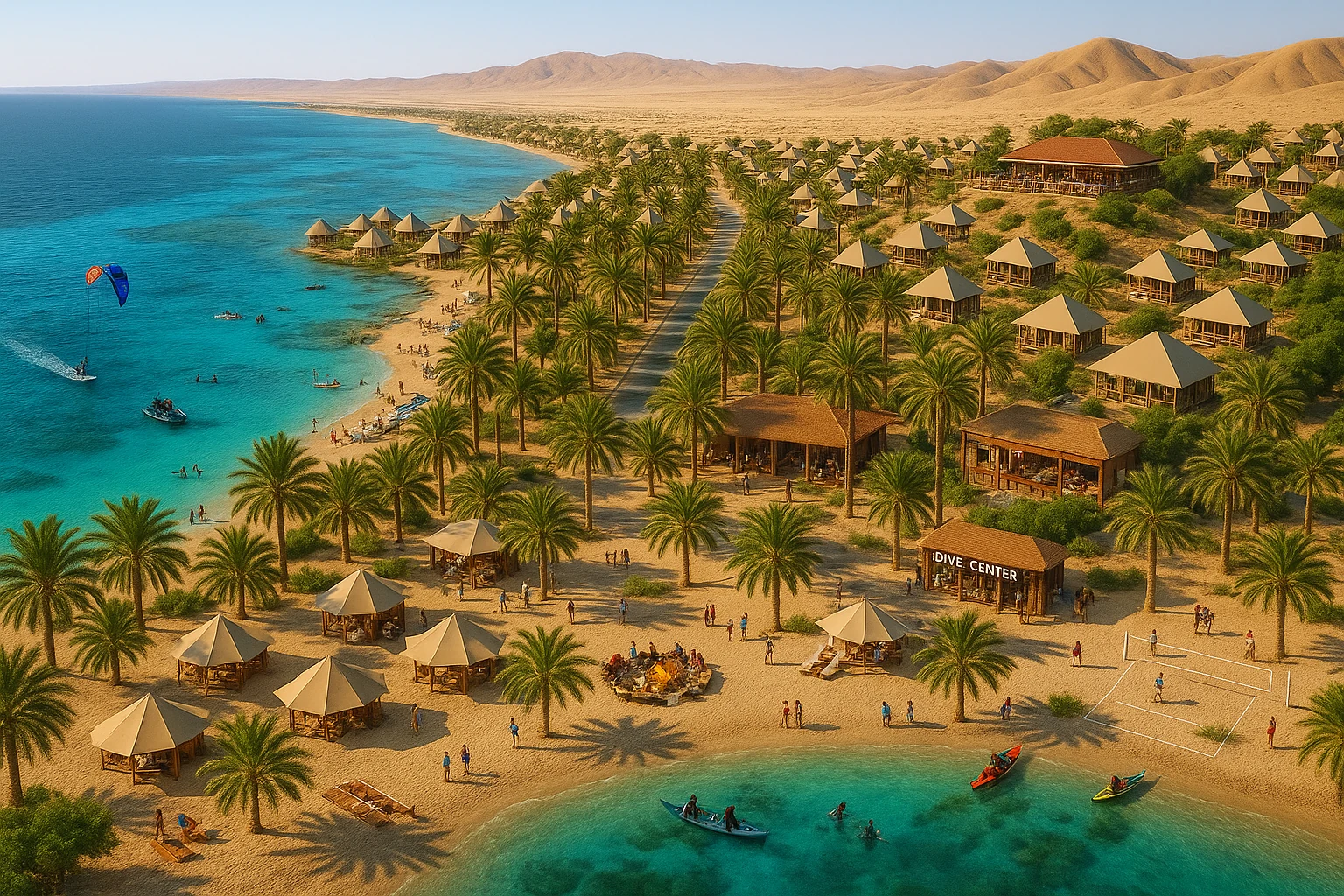
Begin with the reason for the stay.
A hotel concept becomes useful when it helps an owner make choices. Who should feel that this place was made for them? What would bring them here? What should they remember after leaving? Those answers should influence the rooms, dining, activities, service and communication together.
At WAA, we start by connecting the setting with a specific guest motivation. A desert lodge might offer retreat, discovery or shared adventure. Each creates different expectations for privacy, pace, social spaces and programming. Trying to promise all of them equally makes the proposition harder to explain and the experience harder to organise.
Write the intended stay in a sentence before listing facilities. That sentence becomes a useful test: does this proposed addition strengthen the experience we want guests to choose?
Give the place a role in the experience.
A location can shape much more than the view. Its climate, materials, food, culture and daily rhythms can inform what guests do and how the property feels. The work is to translate those qualities into a considered hospitality offer, with local knowledge and practical operating requirements informing its development.
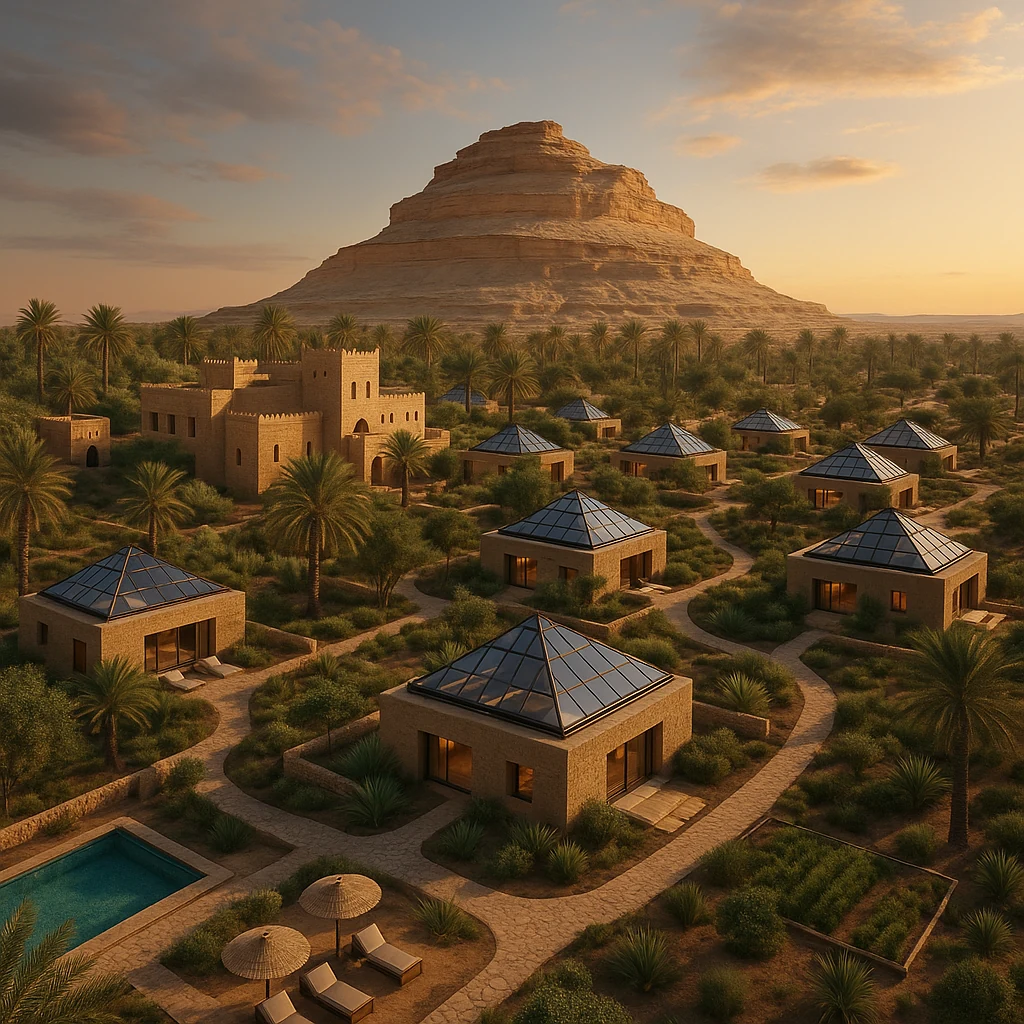
For Tanafus, our Siwa lodge concept, the desert and night sky informed glass-roofed guest rooms and a stargazing platform. Wellness, a cultural courtyard and dining created complementary reasons to spend time at the lodge. The concept explored a slower rhythm through identifiable places and activities, giving the story something tangible behind it.
Build revenue opportunities around guest needs.
A useful revenue narrative explains who would choose an offer, why it belongs to the concept and how it relates to the rest of the stay. A spa, shop or restaurant needs a clear role beyond being another item on the facilities list.
Alongside accommodation, the Tanafus concept proposed day wellness packages, workshops, retreats, dining, guided adventures and products rooted in Siwa. These explored different relationships with the same place: an overnight guest, a visitor joining an afternoon programme, or someone taking a product home.
The important question is how those relationships work together. Day visitors need an appropriate arrival and access route. A retreat changes the use of shared spaces. Public dining must fit the privacy residents expect. Each idea should be tested for demand, capacity, costs and operational feasibility before it becomes a committed offer. These are proposed revenue streams, not evidence of trading performance.
Walk through an ordinary day.
Storyboards help an owner see the concept at the scale of a guest's day. Follow arrival, settling in, the first meal, an activity, a quiet interval and the evening. Identify where people need information, where they wait, how spaces change use and where different guest groups meet.
This makes attractive ideas easier to challenge. If the promise is tranquillity, where does an evening event sit? If discovery matters, how does a guest find and book an excursion? If wellness is central, does its rhythm connect naturally with dining and time outdoors? Resolve those relationships while the concept can still change.
Make the concept usable by the next team.
The concept should give owners, operators and design partners a shared direction. That means a clear proposition, audience priorities, an experience programme, spatial principles and the assumptions that still need testing. Images help people understand the atmosphere; the accompanying narrative explains the choices.
We also make the stage of the work clear. A concept visualisation communicates an intended experience. It does not establish an approved design, operating capacity or financial return. Separating the proposition from the questions still to resolve gives the next phase a stronger starting point.
TAKE IT INTO YOUR NEXT CONVERSATION
Five questions before taking the concept forward.
Can we describe the primary guest and their reason to stay in one sentence?
Which experiences make this particular setting meaningful?
Does every proposed revenue stream serve a defined audience and fit the promise?
Have we considered privacy, movement, capacity and the rhythm of an ordinary day?
Are the concept decisions, operating assumptions and next validation steps clearly separated?